
What Three Design Principles Should a Beginner Go Game Have?
Go is often jokingly described as "learn in a minute, practice for a lifetime." As one of the most complex strategy games in the world, its high entry barrier often discourages...
Go is often jokingly described as "learn in a minute, practice for a lifetime." As one of the most complex strategy games in the world, its high entry barrier often discourages beginners. To make Go into a successful beginner-friendly game, designers must preserve the essence of competition while reducing cognitive load through modern design methods.
From the perspective of interaction design and educational psychology, strong Go onboarding tools should follow the three core principles below.
1. Localization: Start with Capturing Stones, Not Territory
The final goal of Go is territory, but for beginners, judging spatial ownership is highly abstract. By comparison, capturing stones provides immediate and strong feedback.
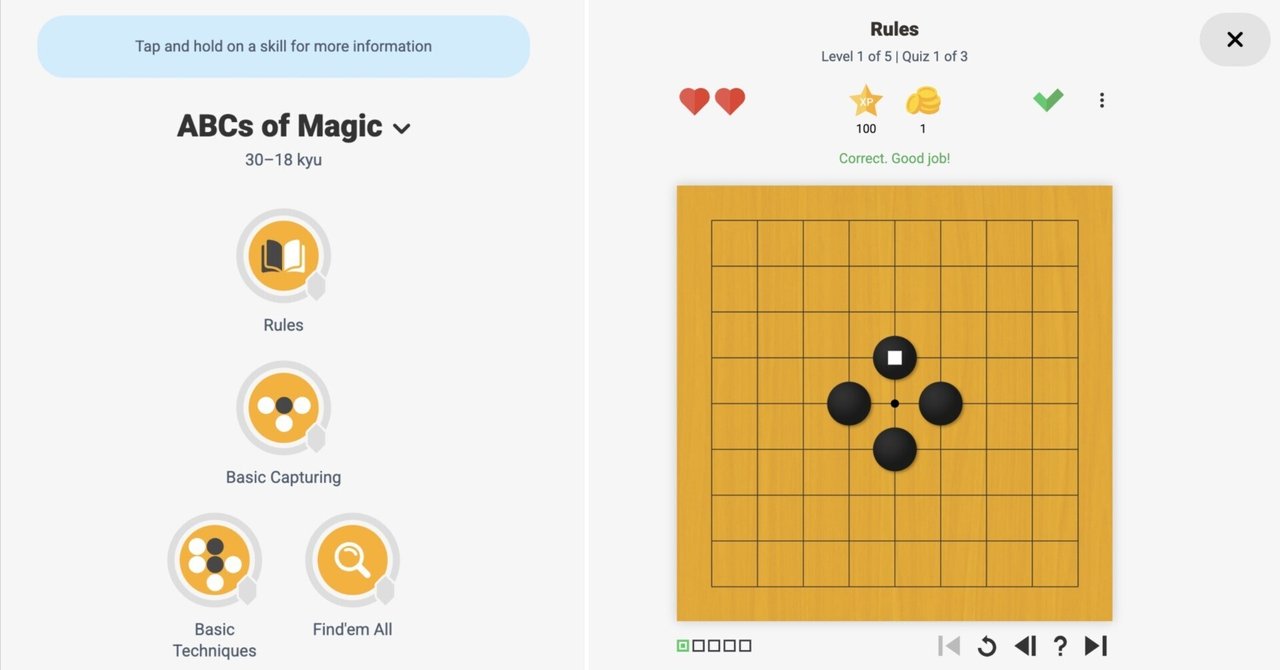
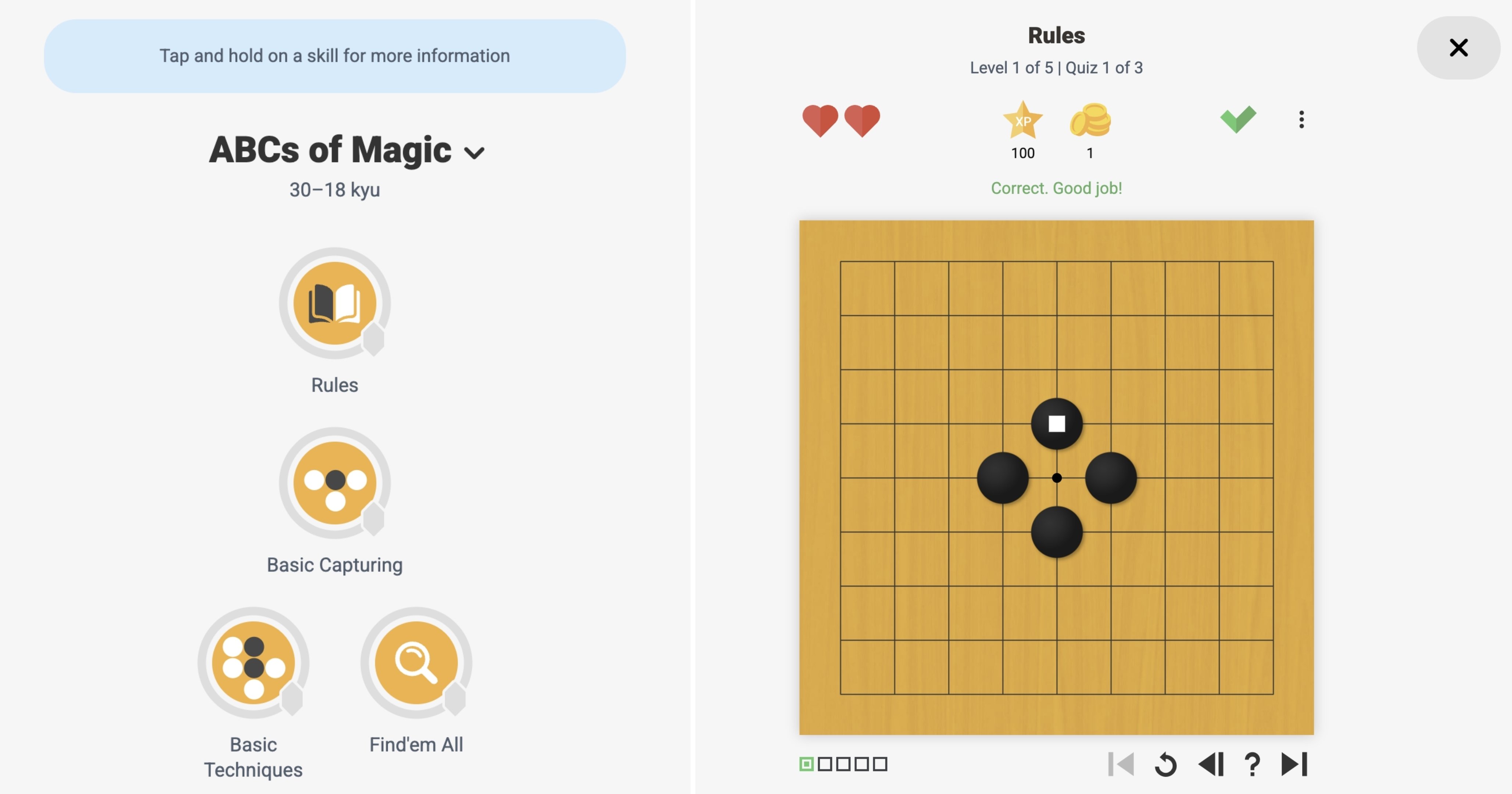
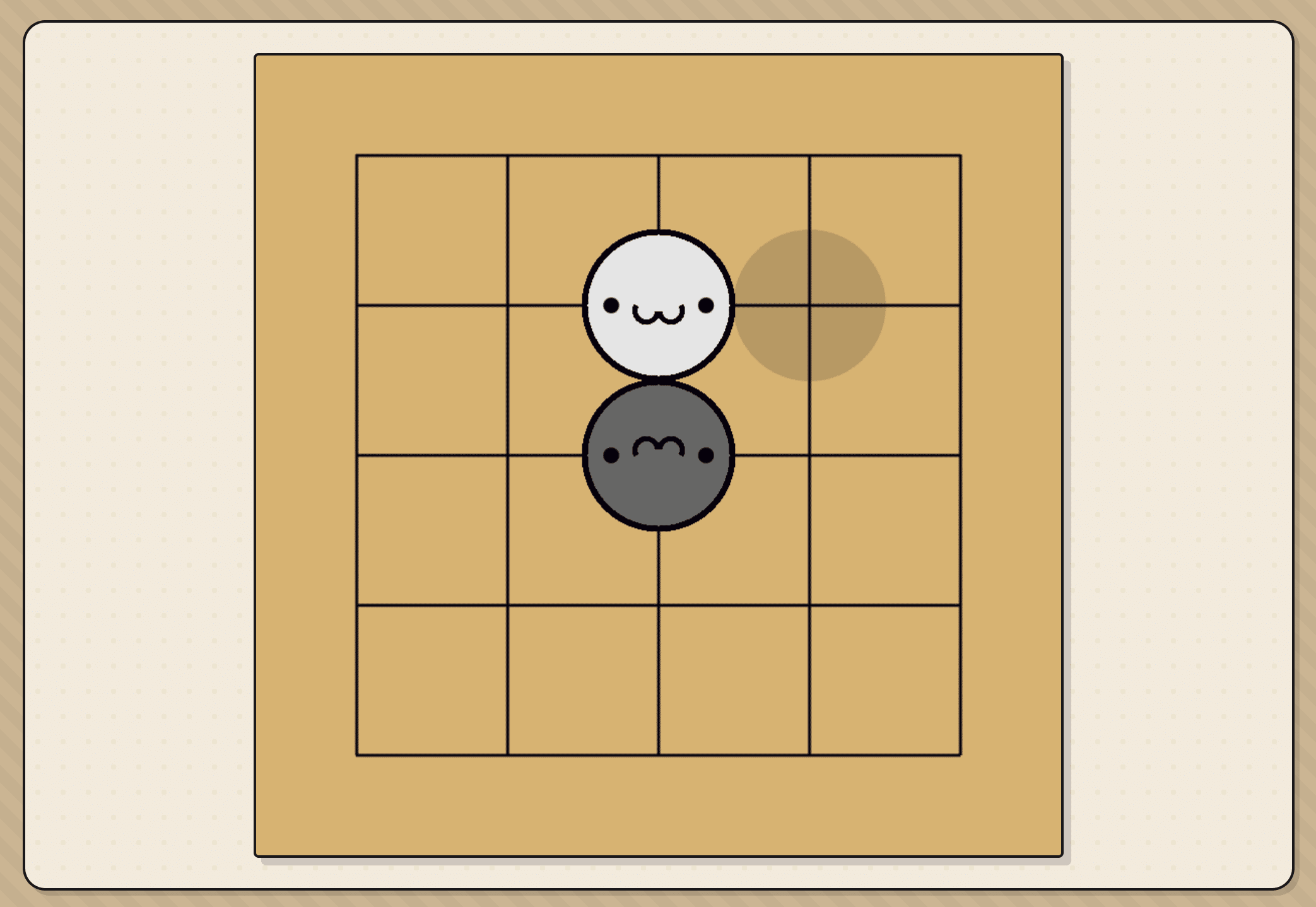
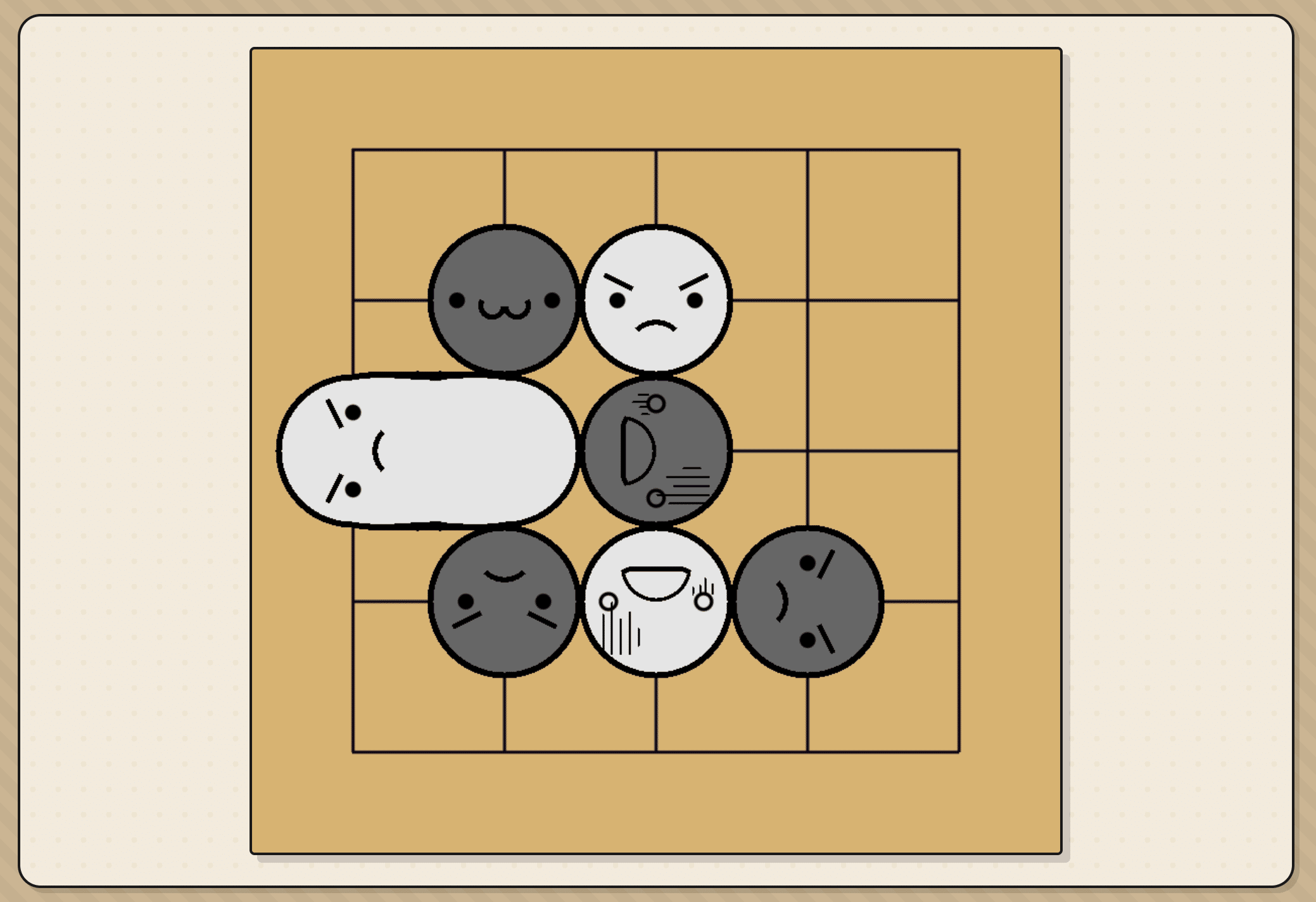
- Design logic: guide players to find solutions in local endgame situations. For example, the well-known Go learning platform GoMagic offers many interactive exercises based on capture techniques. The web tool PuyoGo (ぷよ碁) uses a similar early-stage logic: players begin on a minimal 5x5 board and can understand the concept of liberties within seconds while gaining a quick sense of achievement.
2. Visualization: Make Implicit Rules Explicit
Strong players read influence; beginners see only points. Beginner game design must turn hidden information into visible cues and reduce mental load during calculation.
- Design logic: use dynamic feedback to concretize abstract rules. In Online Go Server (OGS), real-time territory estimation helps beginners understand the position. PuyoGo (ぷよ碁) uses subtle stone motion and animation feedback to directly convey urgency in the game. These visual hints can effectively replace dry text explanations and help players feel the flow of play.
3. Gradation: A Lightweight Experience for Fragmented Time
Starting directly on a full-size standard board is a key reason beginners drop out. Beginner games must establish clear progression in board size and knowledge difficulty, aligned with modern lifestyles.
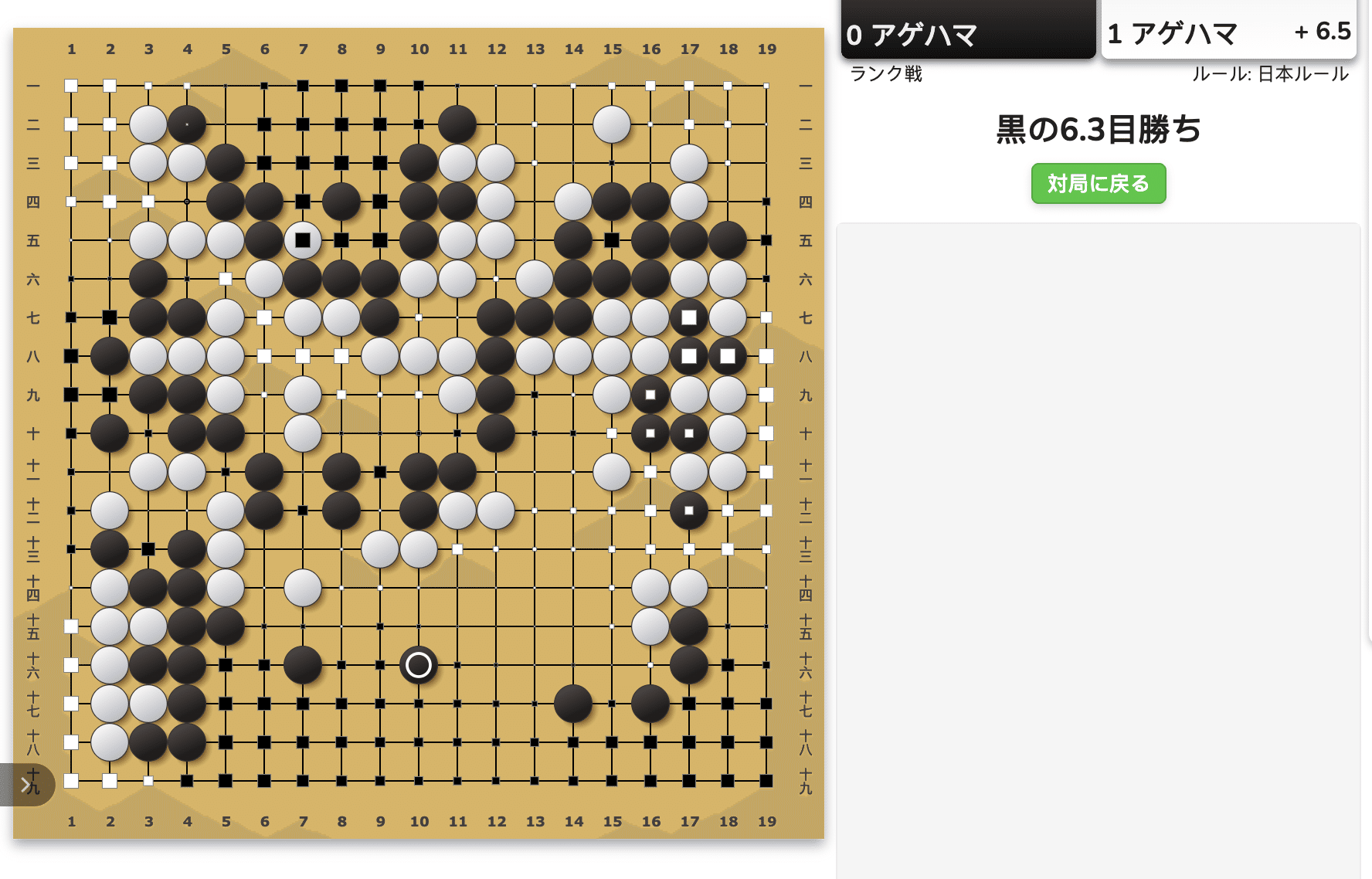
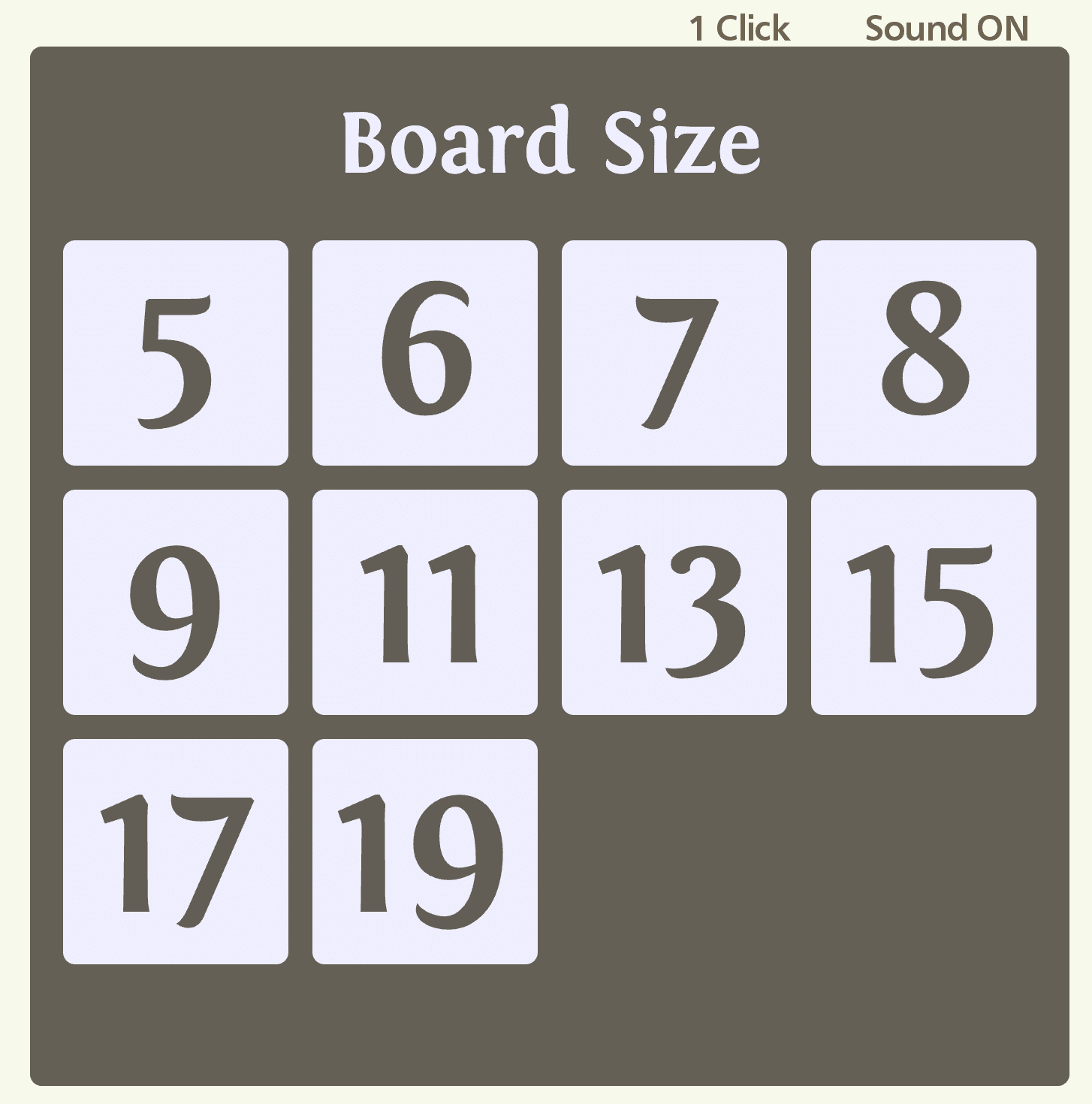
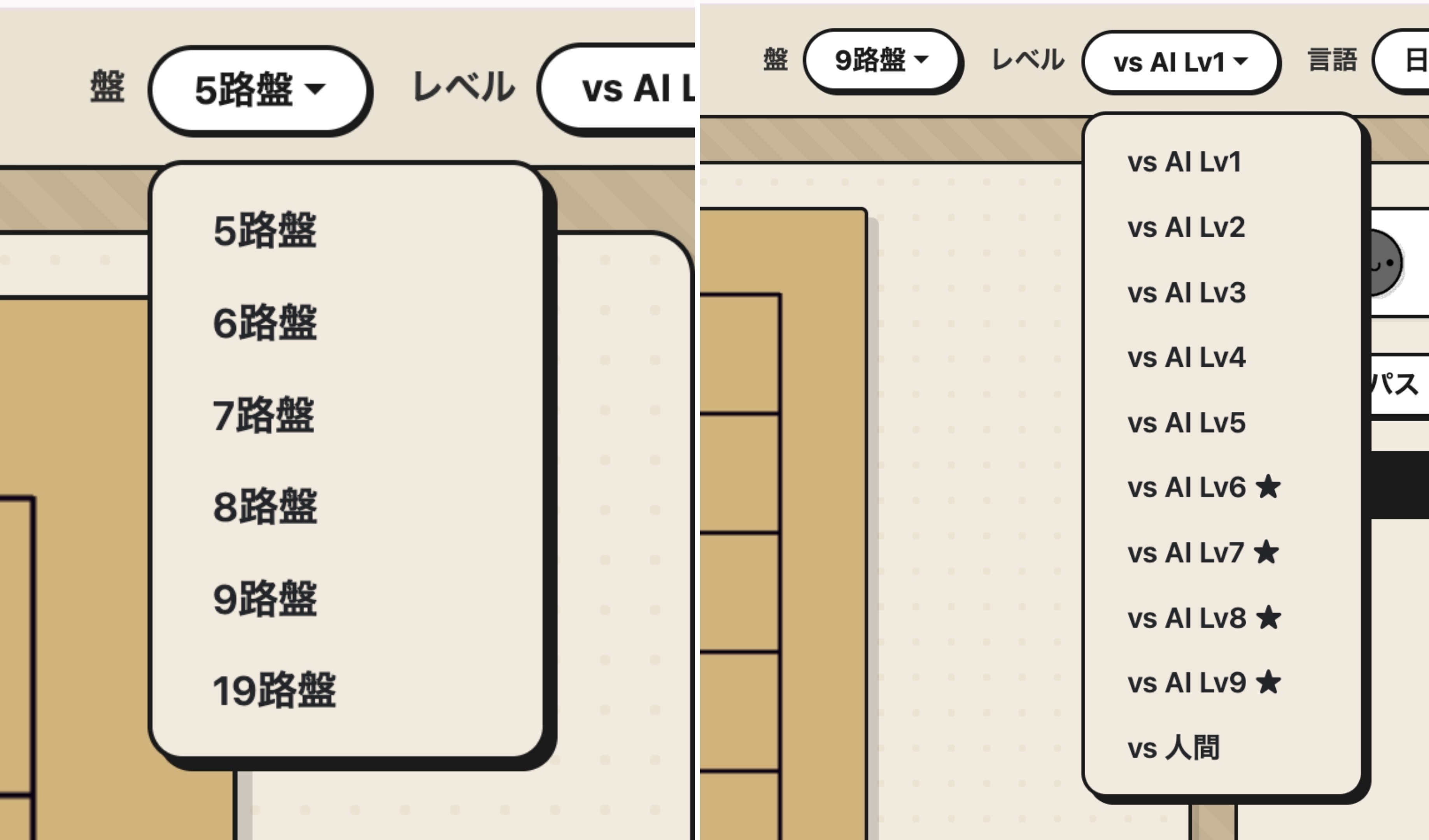
- Design logic: follow a path from very small boards toward standard boards. The classic COSUMI provides options from 5x5 up to 19x19. Newer tools place more emphasis on pacing. For example, PuyoGo (ぷよ碁) offers board sizes from 5x5 to 9x9 and multiple levels for each size. This short, focused rhythm lets players complete one logic-training session even in fragmented time.
Closing
The design core of beginner Go games is subtraction: subtract grand strategic pressure, subtract complex counting, and keep only the logical pleasure of the moment a stone is played. Through localization, visualization, and gradation, we can help this ancient art form gain new vitality in the digital era.